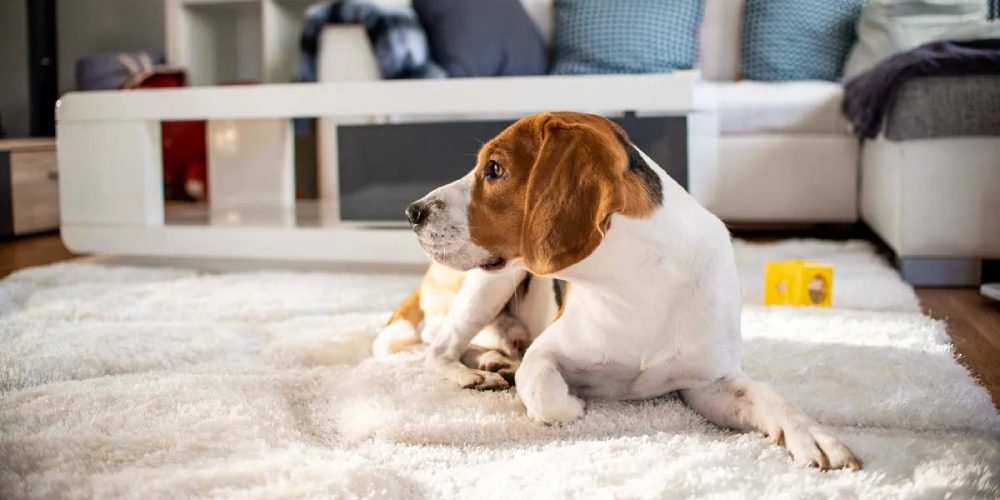
Pets bring joy, companionship, and unconditional love-but they also bring fur, dander, and accidents that can leave your carpets smelling less than pleasant. Whether it's a lingering pet odor or an occasional accident, managing carpet freshness is a top priority for pet owners.
In this comprehensive guide, you’ll learn how to keep your carpets smelling fresh despite having dogs, cats, or other furry companions in your home. We’ll cover cleaning strategies, preventive tips, natural remedies, and more-helping you enjoy a clean, odor-free home without compromising on your love for pets.
Carpets are made of fibers that trap particles like dander, fur, skin oils, urine, and moisture-making them an ideal environment for bacteria and odor build-up. Here are the main culprits:
Understanding these causes is the first step toward addressing them effectively.
Try this homemade cleaner for mild stains and smells:
Spray the mixture on the affected area, let sit for 5-10 minutes, then blot dry.

Sometimes DIY methods aren’t enough. Call a professional if:
Look for professionals with pet-friendly, non-toxic cleaning solutions and experience handling pet-related odors.
A: At least every 3–6 months, or more often for homes with multiple pets.
A: Yes. Urine can damage carpet fibers, backing, and even subflooring if not addressed promptly.
A: Baking soda, enzyme sprays, and commercial products labeled “pet-safe” and “non-toxic.”
A: Yes, and it’s often recommended for its sanitizing properties-just make sure carpets dry thoroughly afterward.

Living with pets doesn't mean sacrificing a clean and fresh-smelling home. With the right strategies-like regular maintenance, quick response to accidents, and the use of natural deodorizers-you can maintain a healthy and odor-free environment for both you and your furry companions.
By staying proactive and consistent, pet odors in carpets can become a thing of the past.
Pet odors are usually caused by urine, feces, dander, fur, body oils, and saliva that get trapped in carpet fibers and padding. These organic materials can grow bacteria and mold, leading to unpleasant smells.
Use an enzyme-based cleaner specifically formulated for pet urine. These break down the proteins and acids in urine, neutralizing odors at the source rather than just masking them.
Yes, baking soda is safe for pets and is a natural odor absorber. Sprinkle it over the carpet, let it sit for a few hours or overnight, then vacuum thoroughly.
Vacuum 2-4 times per week, or daily if you have multiple pets. Focus on high-traffic areas and your pet’s favorite spots.
Yes, especially with urine. If left untreated, the odor can penetrate deep into the carpet padding and subfloor, requiring professional treatment or carpet replacement.
Look for enzyme-based cleaners or pet-specific carpet shampoos with odor-neutralizing formulas. Brands like Nature’s Miracle and Bissell Pet Pro are highly rated.
Some essential oils like lavender or chamomile are safe in small amounts, but others (like tea tree, peppermint, or citrus) can be toxic to pets. Always verify before using around animals.
White vinegar is effective at neutralizing many odors and breaking down organic materials. Mix with water in a 1:1 ratio and blot the area, but test on a small spot first to avoid discoloration.
Yes. Hot water extraction (steam cleaning) sanitizes and penetrates deep into the carpet, removing both odors and embedded dirt. Use a pet-safe solution or plain water for sensitive pets.
Usually 6 to 12 hours depending on humidity and airflow. Ensure carpets dry completely to prevent mold and mildew growth.
Rehydrate the stain with a mixture of warm water and enzyme cleaner, let it sit for 10–15 minutes, then blot and repeat if needed. A deep cleaning may be necessary if the smell persists.
Yes, but with caution. Hydrogen peroxide (3%) can help disinfect and lift stains, but it may bleach certain carpets. Always spot-test in an inconspicuous area first.
The odor may be in the padding or subfloor. Consider a deep professional cleaning or replacing affected areas. Activated charcoal and ozone treatments can also help.
Only use deodorizers labeled “pet-safe” or “non-toxic.” Many commercial deodorizers contain chemicals or fragrances that can irritate pets' skin or respiratory systems.
Clean the area thoroughly with enzymatic cleaners and block access to it. Neutering, behavioral training, and pheromone diffusers can help curb marking behaviors.
Wear gloves, remove solids, then blot and treat the area with an enzyme cleaner. Avoid rubbing, which can embed particles deeper into the fibers.
Yes, especially for deep odors, repeated accidents, or allergy concerns. Professionals have equipment and solutions that penetrate deep into carpet layers for a thorough clean.
No. While vacuuming removes hair and dander, odor-causing bacteria and stains require deeper cleaning methods like shampooing, enzyme treatments, or steam cleaning.
Maintain a routine: vacuum frequently, clean pet bedding weekly, use air purifiers, and regularly clean and deodorize carpets with natural or enzymatic cleaners.
Yes. Pet hair traps oils, dust, dander, and moisture-all of which can cause odor over time if not removed consistently.
Groom your pets, clean their paws after walks, train them properly, vacuum often, and use protective mats or area rugs in pet-frequented areas.
Indirectly, yes. If litter gets tracked into carpeted areas or if waste particles are carried on your cat’s paws, odors can transfer. Keep litter boxes clean and place mats nearby.
Yes, especially those with HEPA and activated carbon filters. They trap airborne pet dander, hair, and odors-improving indoor air quality.
Many carpet powders contain fragrances or chemicals that may irritate your pet’s skin, paws, or lungs. Choose pet-safe, fragrance-free products whenever possible.
If deep cleaning no longer eliminates smells, if there's mold or urine-soaked padding, or if the carpet has visible damage and wear-it may be time for replacement.
{
"@context": "https://schema.org",
"@type": "FAQPage",
"mainEntity": [
{
"@type": "Question",
"name": "What causes pet odors in carpets?",
"acceptedAnswer": {
"@type": "Answer",
"text": "Pet odors are usually caused by urine, feces, dander, fur, body oils, and saliva that get trapped in carpet fibers and padding, where bacteria and mold can grow."
}
},
{
"@type": "Question",
"name": "How can I remove urine smell from carpets effectively?",
"acceptedAnswer": {
"@type": "Answer",
"text": "Use an enzyme-based cleaner designed for pet urine. These break down proteins and acids in the urine to eliminate the odor at the source."
}
},
{
"@type": "Question",
"name": "Is baking soda safe for pets and carpets?",
"acceptedAnswer": {
"@type": "Answer",
"text": "Yes, baking soda is a safe and natural deodorizer for carpets and is generally safe for pets when used properly and vacuumed up afterward."
}
},
{
"@type": "Question",
"name": "How often should I vacuum if I have pets?",
"acceptedAnswer": {
"@type": "Answer",
"text": "Vacuum 2–4 times per week, or daily in homes with multiple pets or heavy shedding."
}
},
{
"@type": "Question",
"name": "Can pet odor seep into the carpet padding?",
"acceptedAnswer": {
"@type": "Answer",
"text": "Yes. Pet urine can soak into the padding and subfloor beneath the carpet, leading to long-term odors if not cleaned thoroughly."
}
},
{
"@type": "Question",
"name": "What’s the best carpet cleaner for pet odors?",
"acceptedAnswer": {
"@type": "Answer",
"text": "Enzyme-based cleaners and pet-specific carpet shampoos are best. Brands like Nature’s Miracle and Bissell Pet Pro are popular."
}
},
{
"@type": "Question",
"name": "Are essential oils safe to use as deodorizers?",
"acceptedAnswer": {
"@type": "Answer",
"text": "Some oils like lavender are safe in small amounts, but others can be toxic to pets. Always verify safety before use."
}
},
{
"@type": "Question",
"name": "Should I use vinegar to clean pet messes on carpets?",
"acceptedAnswer": {
"@type": "Answer",
"text": "Yes, white vinegar mixed with water can help neutralize odors and break down stains. Spot test before full use."
}
},
{
"@type": "Question",
"name": "Will steam cleaning remove pet odors?",
"acceptedAnswer": {
"@type": "Answer",
"text": "Yes. Steam cleaning penetrates deep into carpet fibers and helps sanitize and deodorize effectively."
}
},
{
"@type": "Question",
"name": "How long does it take for carpet to dry after deep cleaning?",
"acceptedAnswer": {
"@type": "Answer",
"text": "Typically 6 to 12 hours, depending on airflow, carpet thickness, and humidity."
}
},
{
"@type": "Question",
"name": "What’s the best way to clean dried pet urine?",
"acceptedAnswer": {
"@type": "Answer",
"text": "Rehydrate with warm water and enzyme cleaner, let sit, then blot. Deep cleaning may be required if odor persists."
}
},
{
"@type": "Question",
"name": "Can I use hydrogen peroxide on pet stains?",
"acceptedAnswer": {
"@type": "Answer",
"text": "Yes, but use 3% solution and spot test first, as it may discolor certain carpet fibers."
}
},
{
"@type": "Question",
"name": "What should I do if my carpet still smells after cleaning?",
"acceptedAnswer": {
"@type": "Answer",
"text": "You may need professional cleaning or treatment of the carpet padding or subfloor. Consider activated charcoal or ozone treatments."
}
},
{
"@type": "Question",
"name": "Are carpet deodorizers safe for pets?",
"acceptedAnswer": {
"@type": "Answer",
"text": "Only use those labeled pet-safe or non-toxic. Avoid strong fragrances or chemical deodorizers."
}
},
{
"@type": "Question",
"name": "How do I stop my dog or cat from marking the carpet again?",
"acceptedAnswer": {
"@type": "Answer",
"text": "Use enzymatic cleaners to remove scent markers, block access, and consider training or neutering to reduce marking behavior."
}
},
{
"@type": "Question",
"name": "How do I handle pet poop accidents on carpet?",
"acceptedAnswer": {
"@type": "Answer",
"text": "Remove solids with gloves, blot any moisture, then apply enzyme cleaner and let it sit before blotting again."
}
},
{
"@type": "Question",
"name": "Should I hire a professional carpet cleaner if I have pets?",
"acceptedAnswer": {
"@type": "Answer",
"text": "Yes, for persistent odors, deep stains, or annual maintenance, professionals offer superior results with pet-safe solutions."
}
},
{
"@type": "Question",
"name": "Can vacuuming alone eliminate pet odor?",
"acceptedAnswer": {
"@type": "Answer",
"text": "No. Vacuuming removes debris but not the bacteria or organic materials causing the odor. Deep cleaning is necessary."
}
},
{
"@type": "Question",
"name": "How can I keep my house smelling fresh with pets?",
"acceptedAnswer": {
"@type": "Answer",
"text": "Groom pets regularly, clean bedding, vacuum often, use enzyme cleaners, and run air purifiers with HEPA filters."
}
},
{
"@type": "Question",
"name": "Does pet hair contribute to carpet odor?",
"acceptedAnswer": {
"@type": "Answer",
"text": "Yes. Hair traps oils, dirt, and moisture that can contribute to unpleasant smells over time."
}
},
{
"@type": "Question",
"name": "What’s the best way to prevent pet odor from forming?",
"acceptedAnswer": {
"@type": "Answer",
"text": "Preventative measures include grooming pets, wiping paws, using washable rugs, vacuuming frequently, and using enzymatic sprays."
}
},
{
"@type": "Question",
"name": "Do litter boxes contribute to carpet odor?",
"acceptedAnswer": {
"@type": "Answer",
"text": "Indirectly, yes. Tracked litter or waste on paws can transfer odor to carpet. Keep boxes clean and use litter mats."
}
},
{
"@type": "Question",
"name": "Are air purifiers effective for pet odor?",
"acceptedAnswer": {
"@type": "Answer",
"text": "Yes, especially those with HEPA and activated carbon filters. They trap allergens and neutralize airborne pet odors."
}
},
{
"@type": "Question",
"name": "Can carpet powders harm my pets?",
"acceptedAnswer": {
"@type": "Answer",
"text": "Some powders contain chemicals or fragrances that can irritate pets. Always choose pet-safe, fragrance-free options."
}
},
{
"@type": "Question",
"name": "What are signs that it’s time to replace the carpet due to pet odor?",
"acceptedAnswer": {
"@type": "Answer",
"text": "If odors persist despite cleaning, or if the padding/subfloor is damaged, or there's mold/mildew—replacement is likely needed."
}
}
]
}
Call Rebel Cleaning Today: +61 401 217 721
Book Online: http://www.rebelcleaning.com.au
Same-Day Appointments Available in Brisbane